
Hormone Replacement Therapy (HRT)
Hormones influence so much more than we often realize - how we feel in our bodies, how we sleep, even how we connect with others. When they’re out of balance, it can feel like something just isn’t right.
At Blue Zone Health and Wellness, it’s a thoughtful, whole-person approach to hormone care.
Whether you're navigating female menopausal symptoms, male andropause, or other hormonal shifts, you deserve to feel at ease in your body again.
Supporting Men and Women Through Hormonal Change
For Men: Aging with Andropause and Hypogonadism
As men age, it's common for testosterone levels to gradually decline after the age of 30. However, the effects can feel anything but gradual. You might notice that your strength isn't what it used to be, your energy dips more often, or your drive, both physically and mentally, feels different. Sleep can become lighter or more broken, and focus and concentration may take a little more effort.
These changes are often linked to what's known as andropause or, more accurately, late-onset hypogonadism. This condition occurs when the body doesn't produce enough testosterone, leading to a range of symptoms that can impact your quality of life.
Many men silently navigate these shifts, unsure if what they're experiencing is "normal", anxiety/depression, or just part of aging. It's important to recognize that these symptoms are real and that you're not alone. Understanding the underlying causes can be the first step toward finding effective solutions and regaining control over your well-being.
For Women: Hormone Support Through Every Phase
Hormonal changes are a natural part of every woman’s life, but that doesn’t mean they’re simple or on a predictable timeline. From your very first period to the postpartum phase, through the transitions of perimenopause and menopause, and even into the years beyond, your hormones are in constant communication with every system in your body.
But when hormonal balance is disrupted, the effects can ripple through your entire day. You might find yourself riding the waves of mood swings, struggling to summon your usual energy, tossing and turning at night, or losing your usual mental clarity, i.e., brain fog. Cycles may become irregular, your skin may change, and sometimes, you just feel like something is off, even if you can’t quite put your finger on it.
These shifts can be subtle or intense, fleeting or long-lasting, and every woman experiences them differently. What’s most important is recognizing that your symptoms are valid. You don’t have to brush them off or tough them out. Understanding what’s happening inside your body is the first step toward feeling like yourself again - more aligned, more aware, and more empowered to take control of your hormonal health.
Recognize the Signs
Hormonal imbalance can show up in different ways for different people. You might notice:
Low energy or persistent fatigue
Trouble sleeping or staying asleep
Mood swings, anxiety, or feeling more irritable
Changes in libido or sexual function
Unexplained weight gain or muscle loss
Mental fog or memory lapses
If any of this feels familiar, you’re not alone, and there’s a path forward.
How I help
I start by listening - really listening - to what’s been going on.
From there, I offer:
In-depth lab testing to understand what’s happening on a hormonal level
Customized treatment options that may include bioidentical hormone therapy, nutrition, and lifestyle shifts
Ongoing check-ins to make sure you’re feeling supported and cared for throughout your journey
This isn’t a one-size-fits-all program. It’s a conversation, a collaboration, and a commitment to helping you feel more like yourself again.
This Approach Isn’t for Everyone
Hormone therapy and lifestyle medicine work, but only if you’re ready to commit.
This kind of care isn’t about quick fixes or passive treatments. It’s a partnership that requires consistency, honesty, and a willingness to do the work between appointments.I’ll guide you every step of the way, but your results depend on your engagement.
If you’re looking for a one-size-fits-all plan or a shortcut, this likely isn’t the right fit.
If you’re ready to take an active role in your health, stay curious, and make real changes, you’ll notice what I like to call “the shift”.
This is a long-term investment in your health and well-being, and I do not take that lightly.
Here when you’re ready.
Beyond the Scale:
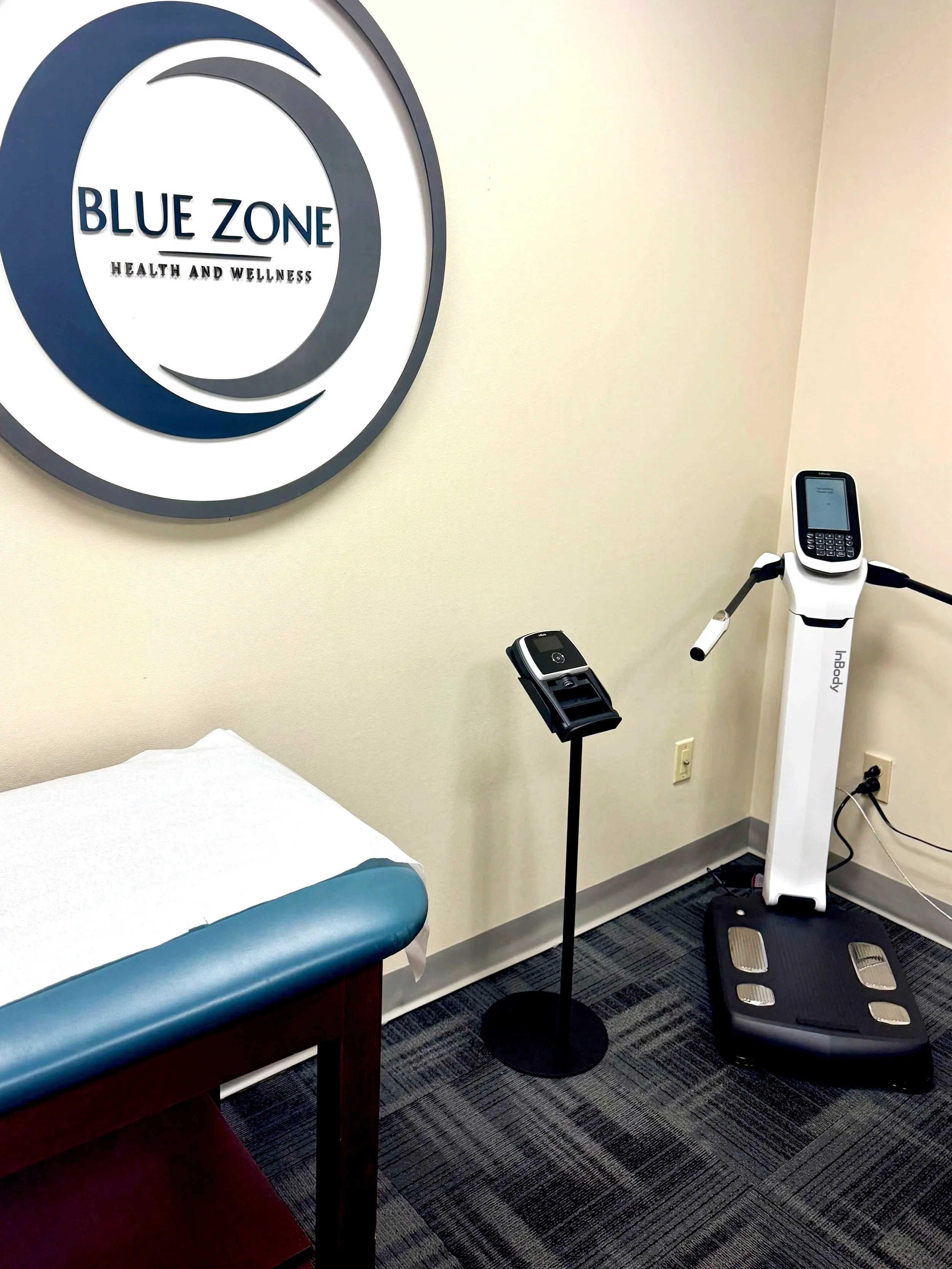
Body Composition Analysis
Weight alone doesn't tell the full story of your health. To truly optimize your longevity and metabolic function, we need to know exactly what that weight is made of.
What we’ll track:
Skeletal Muscle Mass: Essential for metabolic health and functional longevity as we age.
Visceral Fat: Identifying the hidden "active" fat around your organs that drives inflammation and chronic disease.
Body Fat Percentage: A more accurate marker of health than BMI.
Segmental Lean Analysis: Identifying muscle imbalances to prevent injury and refine your movement routine.
HRT Visit Pricing
Hormone therapy uses the same visit structure as the rest of the practice - the same appointments, the same pricing, whether you use insurance or pay out of pocket.
New Patient Hormone Evaluation - 75 minutes
Self-pay: $175
A comprehensive initial evaluation of your symptoms, history, and goals, with appropriate lab testing ordered.
Follow-Up Appointment - 40 minutes
Self-pay: $125
Time to review labs, monitor your response, and adjust your treatment plan.
InBody Body Composition Scan
InBody body composition analysis is available as an optional add-on and can be a useful way to track muscle mass, body fat, and visceral fat over the course of time.
Established Patient: $25
Non-Patient: $50
Insurance
If you have a plan I'm in-network with - Anthem BCBS, United Healthcare, Cigna, Aetna, CT Medicaid/HUSKY, Medicare, or Medicare Advantage - and a qualifying diagnosis such as hypogonadism or menopause, your hormone-therapy office visits are billed to your insurance. You are responsible for your plan's copay, deductible, and coinsurance. Medications, labs, and non-covered testing are billed separately.
If you're uninsured or prefer not to use insurance, the self-pay visit pricing above applies.


Request Your Hormone Evaluation
