
Why Variations in Movement Matters + Time Management
I’ve been thinking a lot about movement lately.
Partly because I’m deep in Ironman training and my body reminds me daily that I’m not 25 anymore. But also, because I’ve had this same conversation with patients over and over again.
It usually starts with something like:
“I know I need to move more, but I just don’t have the time.”
“I’ve got too many other responsibilities right now.”
I get it. Life is at capacity. We’re all juggling things. But I want to talk about it anyway - because this REALLY matters.
Here’s what’s helped me lately: I treat my training sessions like appointments.
Since starting triathlon training, I’ve had to get way more intentional with my time. One of my coaches suggested this life hack in the middle of 2025, and it stuck for me.
Everything goes into Google Calendar - literally everything. Driving my daughter to dance, running errands, meal prep, work tasks, bill payments, workouts. If it’s not on the calendar, it probably won’t happen or I'm feeling lost.
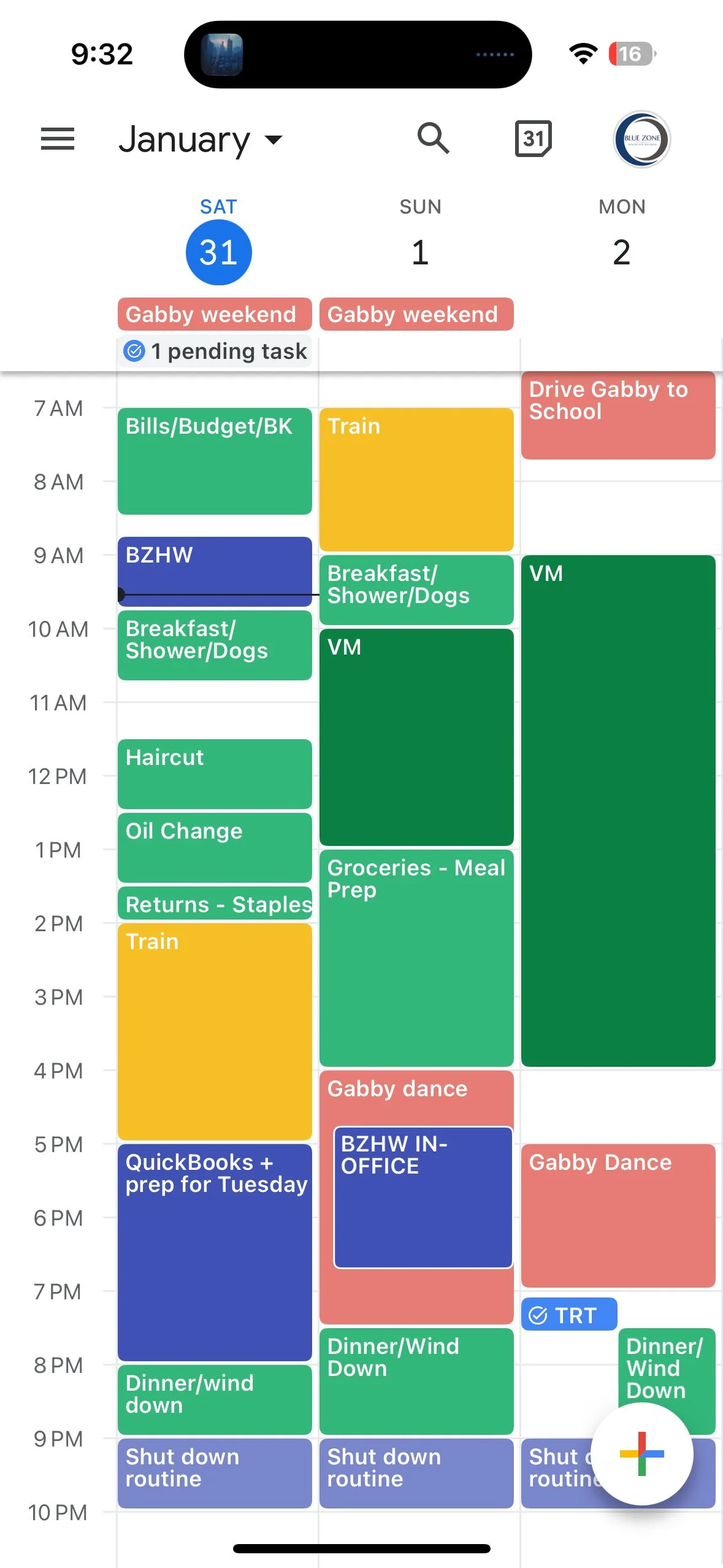
It might sound rigid, but honestly - it’s the opposite. It gives me a realistic picture of what I can actually get done, what needs to shift, and what’s just not going to fit that day.
If you’ve been struggling to make movement a consistent part of your routine, try this: Add a 10-minute “shutdown routine” to your evening.
Use it to map out your next day and make sure movement is included. It doesn’t have to be long. It doesn’t have to be intense. But it does have to be intentional and consistent.
This method might require a few tweaks and you won’t ALWAYS be on top of your calendar. You might have to say no to something else or adjust during the day. But it’s worth it.
If you’ve been following me for a while, you know I’m big on metabolic health, hormone optimization, and health metrics - but here’s something I keep coming back to:
Exercise might be the single most powerful intervention we have to live better and longer.
Better than any supplement.
Better than any medication.
Better than any specific diet.
And it’s not just my opinion - it’s what the research continues to show.
A recent Harvard study published earlier this month (referenced below) followed more than 111,000 adults for more than 30 years.
The takeaway?
Those who regularly engaged in a variety of physical activities - walking, weightlifting, gardening, cycling - had a 19% lower risk of premature death than those who only stuck to one form of exercise.
That benefit held true regardless of total time spent exercising. It wasn’t just about doing more. It was about variety.
Different types of movement train different systems in the body. And the better we understand those systems, the more intentional we can be with our time and energy.
A few takeaways when it comes to movement, mobility, and exercise variation:
Control
The piece most people skip. It’s your body’s ability to manage movement safely - not just balance, but the coordination between joints, muscles, and your nervous system. A lot of “random” injuries have roots in underlying dysfunction. Regular mobility and movement prevent injuries.
Strength
Muscle is medicine. We start losing it in our 30s, and the pace picks up as we age. Low muscle strength is linked to higher mortality. Strong muscles protect your joints, support balance, and keep daily life doable. Think of it like a retirement account for your body: the more you invest now, the more you’ll have later.
Zone 2 Cardio (building the engine)
This is your aerobic foundation. Conversational but steady cardio - think light cycling, brisk walking, or slow jogging. Improves metabolic flexibility, glucose regulation, mitochondrial health, cardiovascular health, lipid regulation, and brain function. If you only have 5-10 minutes that day, take what you can and don't stress about total time.
VO2 Max (Capacity)
This is your high-intensity work - short bursts, hard effort, followed by recovery. VO2 max is one of the strongest predictors of both longevity and resilience. It naturally declines with age, but we can influence the rate at which it declines.
So where do you start?
You don’t need to overhaul your life. Just ask yourself: Which of these areas have I been skipping?
Pick one. Start small. Build from there.
This isn’t about being an athlete. It’s about doing the things you love for as long as possible.
PRACTICE UPDATES
I revamped my programs and pricing options.
Whether you’re already a patient or thinking about becoming one, I’m here to help you move with purpose and protect the life you want to live - now and later.
Take a look at the updated program offerings and pricing if you’re curious, or shoot me a note if you’ve got questions.
BEHIND THE SCENES
Remember that content role I mentioned?
I had 40 applicants!
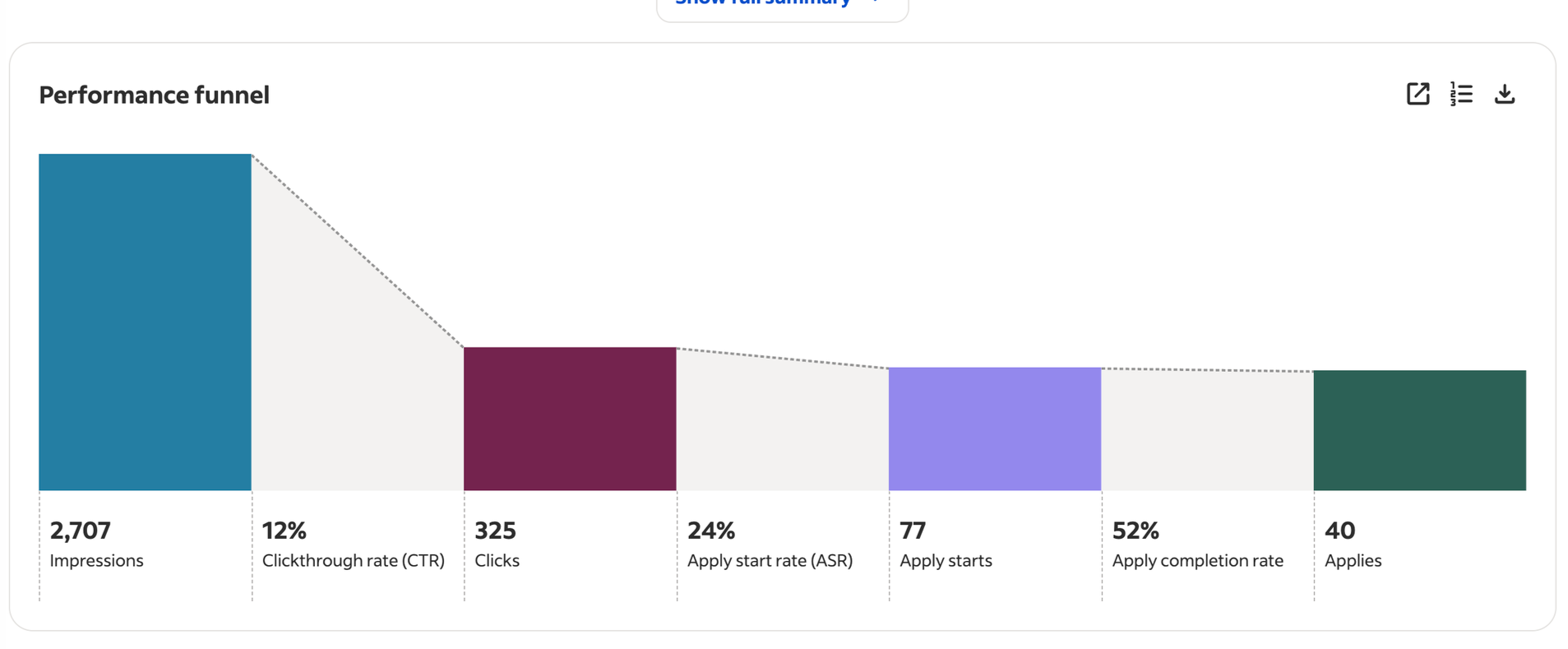
Narrowing it down wasn’t easy and turned out to be harder than I thought - but I’ve started working with someone who’s proactive, responsive, and professional.
He's brought new ideas to the table and I’m excited to see how it goes from here.
A huge thanks to everyone who applied or referred someone. I truly appreciate the willingness to help.
Reference:
Han H, Hu J, Lee DH, et al. Physical Activity Types, Variety, and Mortality: Results from Two Prospective Cohort Studies. BMJ Medicine. January 20, 2026. doi: 10.1136/bmjmed-2025-001513
Be well,
Miguel
Disclaimer: Information provided is for educational purposes only and is not medical advice. Always consult a healthcare professional for specific medical decisions.
